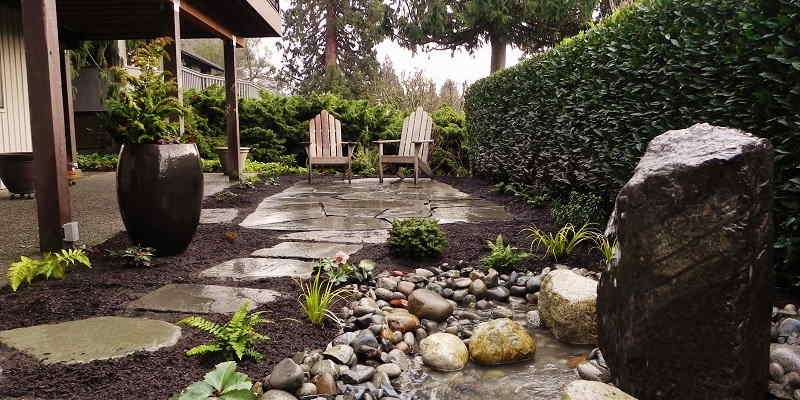
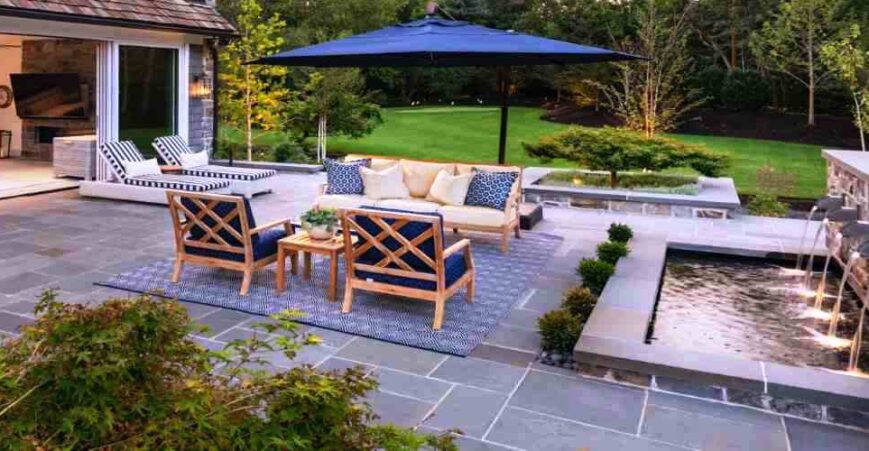
It is undoubtedly true that a landscape design will need to take account of local conditions, climate, and soils so that anything planted within that landscaped garden has the best possible chance of thriving. For example, landscaping in Perth, Western Australia, will have many different plants created in its namesake in Scotland.
However, regardless of whether a residence is in Perth WA, or Perth, Scotland, there will also be some landscaping and gardening principles that remain constant, one of which is the use of compost. Composting has been a core element of gardening for centuries, and the reason it remains a crucial means of helping a landscaped garden to thrive is because it has many benefits for most of the plants that grow within it.
Unfortunately, not everyone who has a landscaped garden is fully aware of why composting is beneficial and, more to the point, how to create it or use it effectively. For those reasons, we have created a short guide to creating and using compost, which we hope you find helpful.
Why Use Compost?
There are several reasons why compost is considered by many to be essential within gardens of all kinds, including landscaped gardens. The first and most important is that compost provides plants with much-needed nutrients. Secondly, compost is effectively free as much of it consists of food scraps and other organic matter that would otherwise be thrown away.