

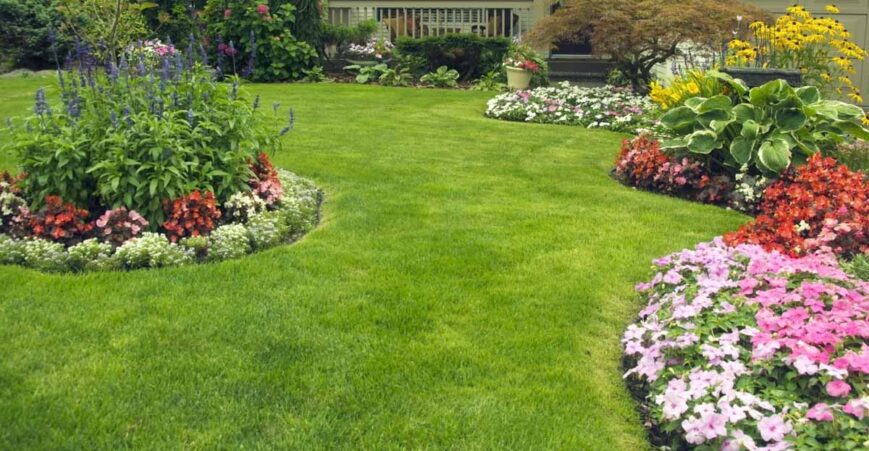
Brown patches in your lawn can be very frustrating.
You water it, you feed it, you mow it religiously every Sunday, and then suddenly there are these ugly dead spots everywhere making your yard looking like you haven’t spent a second looking after it.
I’ve been dealing with this stuff for fifteen years. Some methods do work, and some don’t. Here’s some tips that I have put together with the help of the fine folks over at Master Groups to let you know what we’ve learnt the hard way!
Most lawn problems come down to a few common culprits. When you figure out which type of grass you’re dealing with you can understand its needs and then you’re halfway to fixing it.
What’s Killing Your Grass?
Fungus is the big one. A few types of fungus include brown patch disease, dollar spot, fairy ring.
They love hot and humid weather. To identify them you’ll tend to see circular dead patches, sometimes with a ring around the edge. If your grass stays wet overnight regularly, you’re asking for trouble because that’s the perfect breeding ground for them.
Dogs peeing on your lawn. Female dogs are worse because they squat in one spot.
Creates those perfect circles with the bright green ring around the brown centre. Make sure to watch where your dogs go or have a designated area if you can teach them!
Grubs eating the roots. Pull up the dead grass – if it comes away like carpet, you’ve got grubs. Little white C-shaped larvae living in your soil, munching away.
Too much fertiliser burns grass just like dog urine. Same how your dog can ruin your grass, so can using too much fertiliser! I did this to my front lawn in 2018. Applied too much in one go during a heat wave.
Looked like someone had drawn brown circles with a compass.
Compacted soil from foot traffic, parking cars on the grass, kids playing. Water can’t get through, roots can’t grow.
Weather stress. Sometimes grass just dies. Droughts are the worst for lawns, heat waves can also hurt but just as much as sudden cold snaps.
Not much you can do about the weather which can be frustrating but reality.
Method 1: Diagnosis
Don’t guess. I wasted $200 on fungicide treatments when my problem was actually grubs.
Get down and have a proper look. What shape are the patches? Circles usually mean fungus or chemical burn. Irregular shapes could be grubs or disease. Perfect circles with green rings?
That’s most likely damage from your dog
Poke the soil with a screwdriver. Is it as hard as a rock?
That could be compaction. Soft and squishy? That means theres drainage issues.
Soil testing costs about $20 from your local council. Definitely worth it. I found out my pH was completely wrong, my grass couldn’t absorb nutrients even though I was fertilising regularly.
Pull up some dead grass. Does the dead grass come away easily?
Check for grubs because if you have more than 5-6 grubs per square foot you need some treatment to sort them out.
Method 2: Fungal Problems
Fungus spreads fast in the right conditions. Hot days, warm nights, moisture. It’s like a petri dish out there.
Remove thatch buildup first. T
hat layer of dead grass between your lawn and soil holds moisture. Rent a dethatcher or use a steel rake. Hard work but necessary.
For treatment, I use baking soda. One tablespoon per litre of water. I like to spray in the morning. This technique honestly works as well as expensive fungicides and it also won’t poison your dog or animals which is an obvious bonus.
Neem oil is another option. Organic, won’t harm beneficial insects.
You need to make sure to fix drainage issues. Core aeration helps, it punches holes so water penetrates instead of pooling on top. You can hire machines or pay someone to do it for you, usually a professional does a better job and saves the hassle but if you like to DIY then a machine could be a good investment.
Watering mistakes cause most fungal problems. Water deeply in the morning so grass dries before evening. Never water your lawn at night unless you want to grow mushrooms in your lawn.
When replanting, choose disease-resistant varieties. Some of the newer buffalo grass types handle fungus better than older varieties.
Method 3: Pet Damage
Act fast. The longer you wait, the more damage occurs.
Flood the area with water immediately. Hose it down thoroughly to dilute the nitrogen.
This works if you catch it within a few hours because it hasn’t quite done the damage but if you leave it too long the damage will be done.
Gypsum helps neutralise salts without changing soil pH. Spread the solution according to the packet directions and water in.
Training dogs to use a designated area saves ongoing problems. I set up a mulched section behind my shed. Took about two weeks of consistent training.
Be cautious of when people bring their dogs over to your house aswell, sometimes you can train your dogs perfectly but all it takes is one dog to come over and ruin all your hard work and your pets good behaviour!!
For replanting, couch grass handles pet damage better than most varieties. Buffalo grass is also fairly tough.
Dog dietary supplements that reduce nitrogen in urine exist. Ask your vet – don’t experiment with your pet’s health to save your lawn.
Method 4: Grub Control
Grubs are sneaky. You don’t see them until the damage is done.
Beneficial nematodes work well. Microscopic worms that hunt grubs. Apply when soil temperature hits 15°C. Water before and after application.
Milky spore targets Japanese beetle grubs specifically. Takes 2-3 years to establish but lasts decades once active so the investment is worth it.
Timing matters. Late summer is when most grubs are near the surface and easiest to kill.
After treating grubs, you’ll need to repair the damage. Remove the old dead grass and throw it away then you can loosen soil and add some compost. Choose grasses with natural pest resistance for replanting.
Method 5: Prevention
Much easier than fixing problems after they occur.
Fertilise based on soil test results, not guesswork. Split applications into smaller amounts rather than one big dump that can burn grass.
Water properly. Watering your lawn is the mornings is the best. Make sure your irrigation system isn’t creating problems.
Mow at correct height for your grass type. Sharp blades, never remove more than one-third of blade length.
Regular inspection catches problems early. Walk around your back yard and front yard checking your lawn weekly and look for any spots or any changes in its appearance.
Seasonal maintenance schedule helps. Different tasks at different times of year because the way you look after your lawn in the summer will be drastically different than in the winter.
In summer your lawn needs for water and protection from the sun but winter needs little watering and making sure you have great drainage.
Consistency prevents most problems.
When to Get Professional Help
Some problems are beyond DIY solutions.
If multiple treatment attempts haven’t worked, you might need commercial-grade products or equipment not available to homeowners.
Large-scale problems affecting significant portions of your lawn often require professional treatment.
If you can’t identify the cause after careful observation and testing then you can call in experienced professionals so they can spot things you miss.
Major projects like drainage improvements or complete lawn renovation usually need professional installation.
Maintaining Repaired Areas
Fixed areas need ongoing attention, especially in the first season.
Monitor for signs of stress or problem recurrence. New grass can be vulnerable until fully established.
Gradually return to normal maintenance as grass strengthens. Don’t rush back to heavy use.
Keep records of what worked and when. You’ll forget by next season, and notes save time if similar problems occur.
Apply prevention strategies to your whole lawn, not just problem areas.
Final Thoughts
Brown patches happen. They’re annoying but usually fixable with the right approach.
Your lawn makes massive difference to the appearance of your home so spend the extra time to get rid of them and it will make the world of a difference.
The key is accurate diagnosis before treatment. I’ve seen people throw money at the wrong solutions because they didn’t properly identify what was making their lawn have issues in the first place.
Fix the underlying cause of the issue and keep up maintenance and your grass will recover.
A healthy lawn takes time to develop. Don’t expect overnight miracles but with consistent care you can get results that make the effort worthwhile.
Your lawn is an investment in your property and quality of life. Taking care of it properly pays dividends in curb appeal and outdoor enjoyment.