

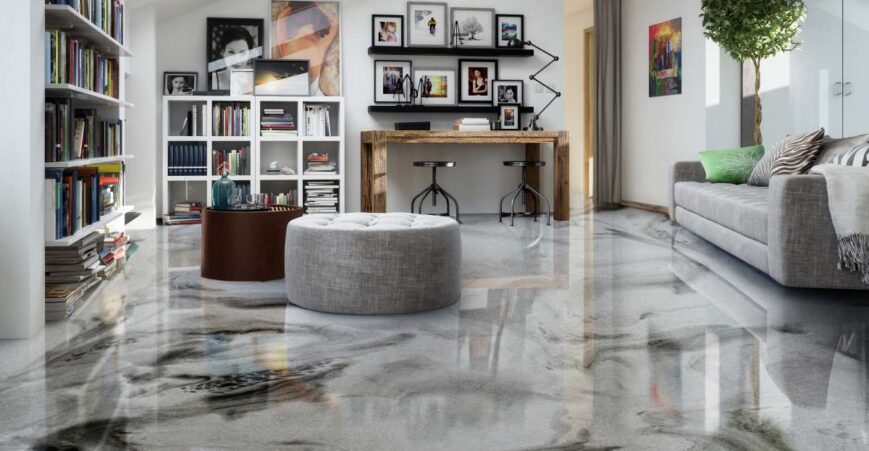
So someone told you epoxy flooring was low maintenance, right?
And it definitely is compared to carpet or timber flooring but the thing is low maintenance doesn’t mean zero maintenance. Unfortunately.
PM Industries deals with customers all the time who thought their epoxy would just stay perfect forever without any care and then wonder why its looking dull or showing marks after a year or two.
To be honest, epoxy flooring needs cleaning, like do most things. But lucky the cleaning process is pretty straight forward. Most people just dont know the right way to clean epoxy or what products to use and end up making mistakes that can actually damage the finish.
Why regular cleaning matters for epoxy
Epoxy is made up of a hard non porus surface which is great for keeping clean, but dirt and grime still builds up over time. The difference is it sits on top rather then soaking in like it would with other flooring types.
That is good for hygienic purposes it means the dirt doesn’t get trapped deep but it also means it does show up every footprint, dust particle and water spot.
If you let dirt accumulate it actually acts like sandpaper when people walk on it, gradually wearing down that glossy finish you paid good money for. Regular cleaning prevents this abrasive buildup and keeps your floor looking like new for years longer.
The other thing is certain substances can stain or damage epoxy if left sitting too long. Things like battery acid or rust obviously, but even some household cleaners can cause problems if you dont rinse them off properly.
Daily cleaning basics
For day to day cleaning, honestly just sweeping or vacuuming is enough most of the time. Dust and loose dirt are your floors worst enemies because they create that sandpaper effect I mentioned.
A good quality microfibre mop works great for this and picks up way more then a regular broom.
If you’ve got pets or kids tracking in more dirt, you might need to sweep twice a day. Its annoying but way easier then trying to restore a worn epoxy finish later. Trust me on that one.
If cleaning is a big hassle for you then epoxy may not be your favourite choice of flooring, but if you don’t mind sweeping or mopping here and there then it may not be a deal breaker for you.
For quick spill cleanup, just wipe with a damp cloth or paper towel. The beauty of epoxy is most spills just sit on the surface waiting to be cleaned up, no panic required unless its something really nasty like oil or chemicals.
Weekly deep cleaning routine
Once a week give your epoxy floor a proper mop with warm water and a pH neutral cleaner. Dish soap works fine for this, just a squirt in a bucket of warm water. Avoid anything too alkaline or acidic as these can dull the finish over time.
The key is not to flood the floor with water. Epoxy itself doesnt absorb water but if you’ve got expansion joints or small cracks water can seep underneath and cause problems. Use a damp mop, not a soaking wet one.
Work in sections and dont let cleaning solution sit on the floor for ages.
Clean, rinse with clean water, then dry with a clean mop or squeegee. The rinsing step is important because soap residue builds up and makes your floor look cloudy.
Products to use and avoid
This is where alot of people go wrong. Just because something cleans other surfaces doesnt mean its safe for epoxy. Ammonia based cleaners are particularly bad and can cause the finish to yellow or loose its gloss permanently.
Citrus cleaners might smell nice but the acids can etch the surface. Same with vinegar, I know people love natural cleaners but vinegar is acidic and will damage epoxy over time.
Abrasive cleaners are obviously out too. Steel wool, scouring powders, anything gritty will scratch the surface. Even some microfibre cloths can be too rough if your not careful.
For stubborn stains, isopropyl alcohol works well and evaporates quickly. For really tough stuff like paint or permanent marker, acetone can work but use it sparingly and rinse immediately after. Too much acetone can actually soften the epoxy surface.
When to call professionals
Doing DIY projects are a great way to spend your time, but somethings are better left to the professionals.
Most epoxy maintenance you can handle yourself but there are times when professional help makes sense. If you’ve got widespread dullness, deep scratches or areas where the coating is peeling or bubbling these usually need professional attention.
Chemical spills that have caused discoloration or etching often need specialist treatment. Attempting to fix these yourself can make them worse and more expensive to repair properly.
If your epoxy is more then 10 years old and starting to show its age overall then it might be time for a professional assessment. Sometimes a new topcoat can bring it back to like new condition for a fraction of the cost of complete replacement.
Making it last
The thing is, well the thing is, proper maintenance really does make a huge difference to how long your epoxy looks good. The way you clean and look after your floor with genuinely be the decider of how long it lasts.
If you don’t keep it nice and maintenance, you cant expect it too last and stay looking nice.
I’ve seen floors that are 15 years old still looking amazing because the owners stayed on top of cleaning, and others that look terrible after just a few years because of neglect.
When thinking about how much it costs you need to remember to factor in the cost of proper cleaning products and maybe an annual professional clean for high use areas.
This is still pretty low maintenance when you think about how much carpets need to be cleaned to stay hygienic.
Its still way less then the cost of replacing carpet or refinishing timber floors every few years.
Which is a big job and often takes weeks to complete, you need to move your whole life upside down to get the workers in there. So consider things like this when making investments.
Your epoxy floor was an investment in durability and easy care. With the right maintenance routine it’ll keep delivering on that promise for decades. But make sure to put furniture buffers on the bottom of all your furniture to stop scratches.
Consider how your epoxy connects with other areas too. If you’ve got timber decking or outdoor spaces the transition areas need extra attention to prevent water damage or debris buildup that can affect both the epoxy and connecting surfaces.
SO you have to think about the surrounding elements that may effect your epoxy flooring.
So yeah, maintaining epoxy floors isnt difficult but it does require some knowledge and the right approach. Follow these guidelines and your floors will keep looking fantastic for years to come.